

Many people postpone or skip their regular dental check-ups due to busy schedules, anxiety, or a misconception that a lack of pain signifies good oral health. However, neglecting your oral health carries significant risks, extending far beyond just your teeth and gums.
The importance of regular dental visits cannot be overstated, as they are a cornerstone of preventive care, safeguarding not only your smile but also your overall long-term health.
This article will delve into why these routine appointments are crucial and how they protect you from more serious, and often more costly, health issues down the line. To ensure your smile stays its best, you can book a dental checkup with our experienced team today.
Why Regular Dental Visits Matter
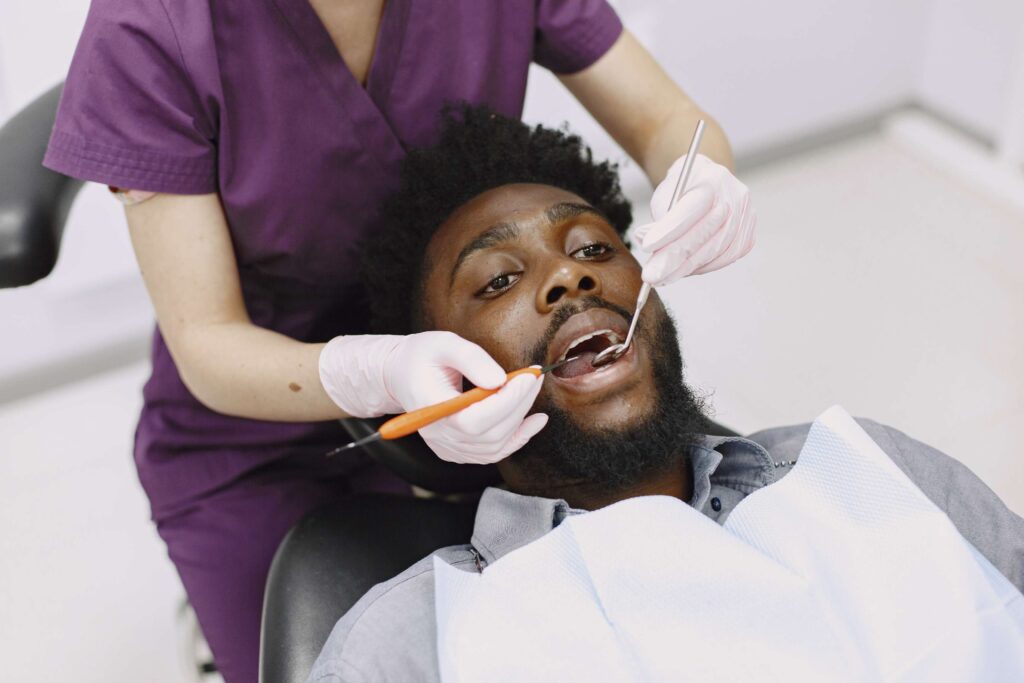
Regular dental visits are fundamental to maintaining optimal oral health and play a vital role in your general well-being. These appointments allow dental professionals to detect potential issues early, often before they become painful or severe.
Early detection of cavities, gum disease, and other oral conditions means simpler, less invasive, and more effective treatments.
Beyond addressing existing problems, these visits are primarily about prevention. Through professional cleanings and personalized advice, dentists help you prevent the onset of common dental ailments.
How Often Should You See a Dentist?
The long-standing recommendation for dental check-ups is every six months, and for many, this remains an excellent guideline. However, the ideal frequency can vary based on individual oral health needs and risk factors.
For individuals with excellent oral hygiene, no active dental problems, and a low risk of future issues, your dentist might recommend visits every 12 to 24 months.
Conversely, those with a history of gum disease, frequent cavities, chronic health conditions (like diabetes), or who are pregnant may require more frequent check-ups, possibly every three to six months.
Your dentist will assess your specific situation during each visit and provide a personalized recommendation for your next appointment, ensuring you receive the appropriate level of preventive care.

7 Key Benefits of Regular Dental Visits
1. Early Detection of Problems
Regular check-ups enable your dentist to identify issues like cavities, gum disease, and even oral cancer in their earliest stages. Catching problems early often means they can be treated more easily and less invasively, preventing them from escalating into more complex and painful conditions.
2. Prevention of Gum Disease
Periodontal (gum) disease is a leading cause of tooth loss in adults. Regular visits include thorough examinations of your gums, allowing for early detection and treatment of gingivitis (the mildest form of gum disease) before it progresses to more severe periodontitis.
3. Professional Cleaning
Even with diligent brushing and flossing, plaque and tartar can accumulate in hard-to-reach areas. Professional cleanings remove this buildup, preventing cavities, gum inflammation, and bad breath. This is a critical component of professional teeth cleaning services and overall preventive dental care.
4. Improved Confidence
A healthy, clean smile significantly boosts self-confidence. Regular dental care ensures your teeth look their best, contributing to a positive self-image and allowing you to smile, speak, and eat with ease.
5. Better Overall Health
Oral health is a window to your overall health. Dentists can spot signs of systemic diseases like diabetes, heart disease, and nutritional deficiencies during a routine exam. Addressing oral infections can also reduce inflammation throughout the body, contributing to better general health.
6. Personalized Advice
Your dentist and hygienist can provide tailored advice on brushing techniques, flossing, diet, and product recommendations specific to your oral health needs. This personalized guidance empowers you to maintain optimal oral hygiene at home.
7. Long-Term Savings
While it might seem counterintuitive, regular dental visits are a significant investment in your financial well-being.
Preventing major issues through routine care is far less expensive than treating advanced problems like root canals, extractions, or restorative procedures. This leads to substantial cost savings on dental checkups in the long run.
How Regular Dental Visits Save You Money
Many people view dental visits as an expense, but in reality, they are a crucial investment that can lead to significant cost savings dental checkups.
The adage “an ounce of prevention is worth a pound of cure” holds particularly true in dentistry. Minor issues, if left unaddressed, can quickly escalate into major problems requiring extensive and costly treatments.
For example, a small cavity that could be fixed with a simple filling might, if ignored, lead to a root canal, a crown, or even tooth extraction and replacement with an implant – procedures that are significantly more expensive and time-consuming.
Regular check-ups and cleanings help identify and resolve these minor issues before they become emergencies, thereby preventing pain, discomfort, and substantial financial burdens. Investing in routine dental care is, therefore, a smart financial decision that protects both your oral health and your wallet.
What Happens During a Dental Checkup? (Checklist)
A routine dental checkup is a comprehensive examination designed to assess your oral health thoroughly. While the exact steps may vary slightly, a typical dental exam checklist includes:
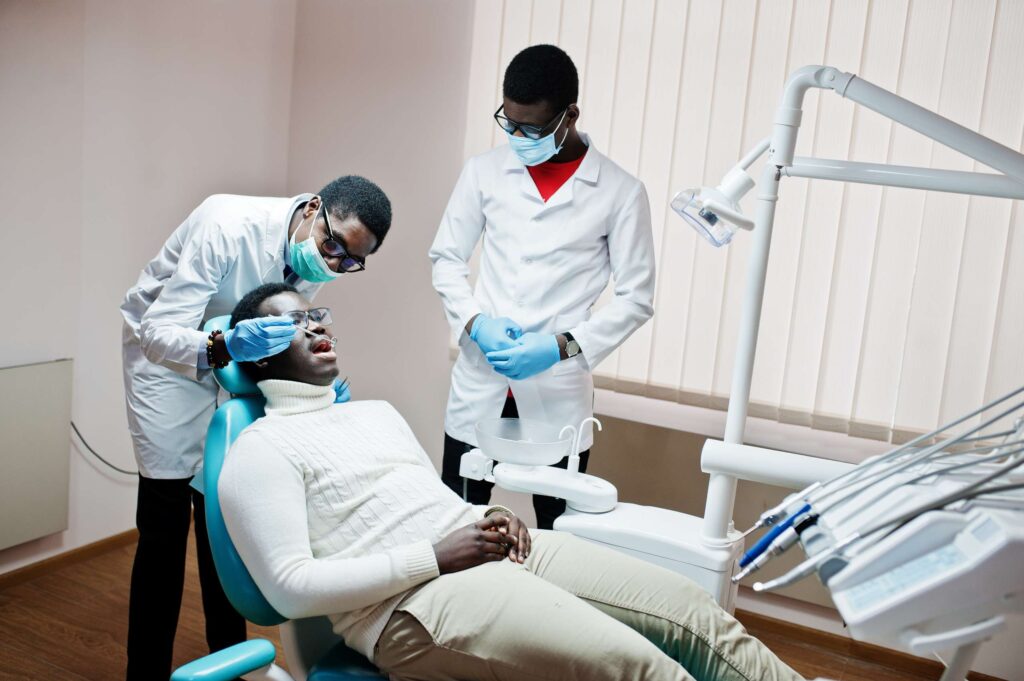
- Oral Exam: Your dentist will meticulously examine your teeth, gums, tongue, and other soft tissues in your mouth for any signs of decay, gum disease, or other abnormalities.
- Plaque and Tartar Removal: A dental hygienist will use specialized tools to remove plaque (a sticky film of bacteria) and tartar (hardened plaque) from your teeth, especially in areas that your toothbrush can’t reach.
- Gum Assessment: The health of your gums will be evaluated, checking for signs of inflammation, bleeding, or recession, which are indicators of gum disease.
- Cleaning and Polishing: After plaque and tartar removal, your teeth will be thoroughly cleaned and polished, leaving them smooth and reducing the likelihood of new plaque accumulation.
- Personalized Oral Hygiene Instructions: You’ll receive guidance on proper brushing and flossing techniques, as well as recommendations for maintaining optimal oral hygiene at home.
Conclusion
The importance of regular dental visits extends far beyond maintaining a bright smile; it is a critical component of your overall health and well-being.
By prioritizing routine dental visits, you embrace preventive care that can detect issues early, prevent serious diseases, save you money in the long run, and contribute to a healthier, more confident you. Don’t wait for pain to be your reminder.
Take proactive steps towards optimal oral health today. We encourage you to explore our full range of dental services and schedule your next oral exam to experience the comprehensive benefits of consistent dental care. Your smile, and your health, will thank you for it.
Frequently Asked Questions (FAQs)
Q: Why are regular dental visits important even if I don’t have pain?
Regular dental visits are crucial for preventive care, allowing dentists to detect and address potential issues like cavities, gum disease, and even oral cancer in their early stages, often before they cause pain. This proactive approach prevents minor problems from escalating into more serious and costly conditions.
Q: How often should I go to the dentist for a check-up?
While the general recommendation is every six months, the ideal frequency depends on your individual oral health and risk factors. Your dentist will assess your specific needs and recommend a personalized schedule, which could range from every three months to every two years.
Q: Can regular dental check-ups really save me money?
Yes, absolutely. Investing in regular dental check-ups and cleanings is a cost-effective strategy. By preventing major dental problems through early detection and intervention, you can avoid expensive and extensive treatments like root canals, crowns, or extractions in the long run.
Q: What happens during a typical dental check-up?
A routine dental check-up typically includes a thorough oral exam of your teeth, gums, and mouth, professional plaque and tartar removal, gum assessment, X-rays (periodically), oral cancer screening, cleaning, polishing, and personalized oral hygiene instructions.
Q: What are the benefits of preventive dental care?
Preventive dental care offers numerous benefits, including early detection of problems, prevention of gum disease, professional cleaning, improved confidence, better overall health, personalized advice, and significant long-term cost savings by avoiding major treatments.