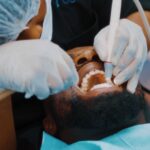

When we think about breast cancer, conversations often focus on diagnosis, treatment, recovery and emotional wellbeing. But there is another important part of a patient’s overall health that deserves attention: oral health.
The mouth can be affected by certain cancer treatments, including chemotherapy and some other cancer therapies. Symptoms such as mouth sores, dry mouth, changes in taste, infections and increased sensitivity can make eating, drinking and speaking uncomfortable.
This is why dental care should not be overlooked during breast cancer treatment.
At Akcess Dental Clinic, we believe caring for your smile is part of caring for you as a whole.
Is There a Connection Between Breast Cancer and Oral Health?
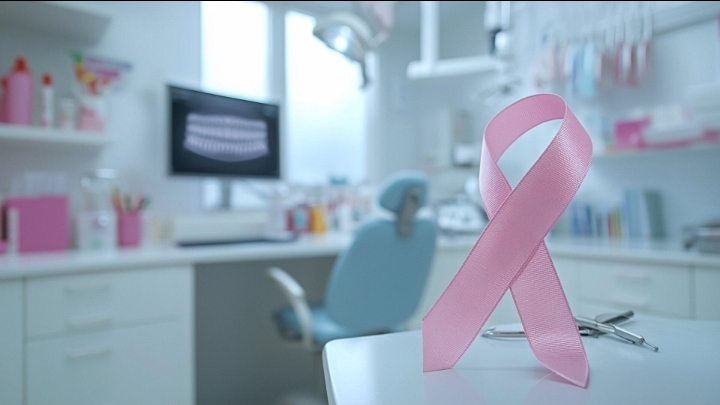
Breast cancer does not automatically cause dental problems. However, some treatments used in breast cancer care can affect the mouth and teeth.
Chemotherapy, for example, can affect rapidly growing cells, including cells in the lining of the mouth. It can also affect the body’s ability to fight infections. As a result, some patients may experience oral complications during treatment.
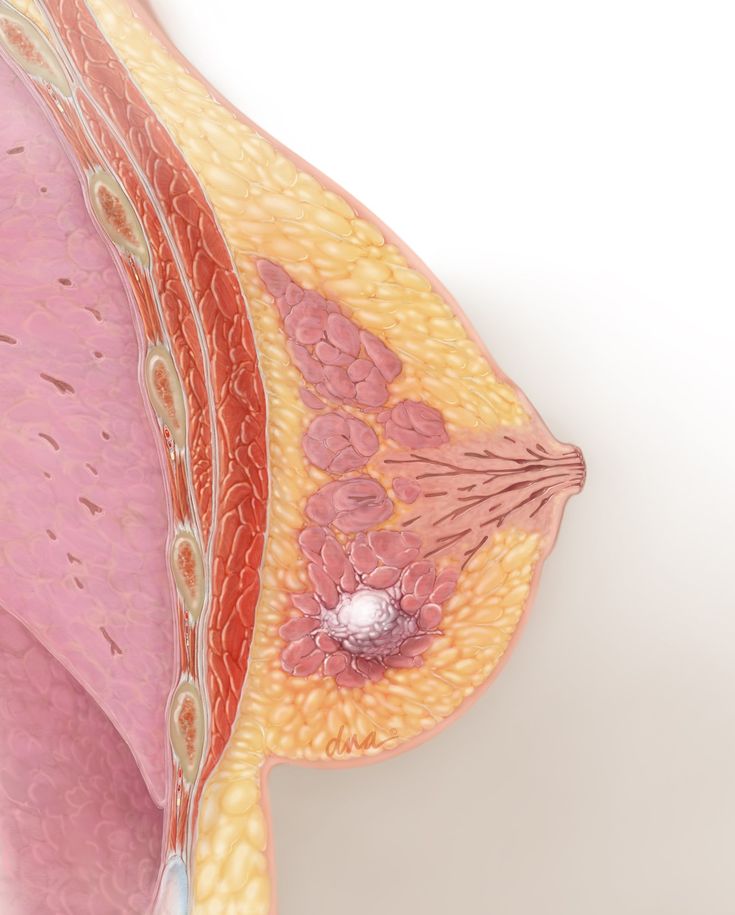
Depending on the treatment being received, patients may experience:
– Mouth sores or ulcers – Dry mouth – Changes in taste – Mouth or gum infections – Oral pain or sensitivity – Increased risk of tooth decay – Gum problems- Difficulty eating or drinking
Not every patient will experience these effects, and the type and severity can vary depending on the treatment and the individual.
How Can Cancer Treatment Affect Your Mouth?
1. Mouth Sores and Oral Sensitivity
Some cancer treatments can cause inflammation of the tissues inside the mouth, resulting in soreness or ulcers.
For some patients, this can make everyday activities such as brushing, eating and drinking uncomfortable. Maintaining appropriate oral hygiene and informing your healthcare team about new symptoms can help with early management.
2. Dry Mouth
Dry mouth, also known as xerostomia, occurs when there is not enough saliva in the mouth.
Saliva plays an important role in protecting the teeth and gums. When saliva decreases, the risk of tooth decay, gum problems and oral infections may increase. Dry mouth can also affect speaking, swallowing and taste.If you notice persistent dryness, increased thirst, difficulty swallowing or a burning sensation in your mouth, let your healthcare provider and dentist know.
3. Changes in Taste
Changes in taste can occur during some cancer treatments. Food may taste different, less flavourful or sometimes unpleasant.
Although taste changes can be frustrating, they are a recognised effect of certain cancer treatments and may improve after treatment.
4. Increased Risk of Infection.
Cancer treatment can affect the immune system, while damage to the tissues inside the mouth can make it easier for infections to develop.Existing dental problems such as untreated decay or gum disease may become more difficult to manage during treatment. This is one reason why addressing oral health concerns early is important.Why Should You See a Dentist Before Cancer Treatment?
One of the most important steps a patient can take is to have an oral health assessment before starting cancer treatment, where appropriate.
A dental examination can help identify issues such as:– Tooth decay- Gum disease- Existing infections- Broken or damaged teeth- Ill-fitting dentures- Other conditions that may require attention
The National Cancer Institute recommends dental evaluation and management before certain cancer treatments because identifying and treating existing oral problems beforehand may reduce complications during treatment.
This does not mean every patient needs extensive dental treatment before cancer therapy. Your dentist and oncology team should determine what is appropriate based on your specific treatment plan and overall health.

What Can You Do to Protect Your Oral Health During Treatment?
Good oral hygiene remains important, but your routine may need to be adjusted depending on your treatment and symptoms.
Keep your mouth clean
Continue gentle brushing with an appropriate toothbrush and fluoride toothpaste, unless your healthcare team advises otherwise.
Stay hydrated
If you experience dry mouth, drinking water regularly can help keep your mouth moist. Your healthcare team may also recommend other measures to manage persistent dry mouth.
Pay attention to changes
Don’t ignore persistent mouth sores, swelling, bleeding, pain, unusual patches or difficulty swallowing. Report new or worsening symptoms to your healthcare team.
Keep your dental team informed
Always tell your dentist about your cancer diagnosis, current medications and treatment plan. This allows your dental team to coordinate appropriately with your medical team.
Don’t self-treat
Not every mouthwash, medication or dental procedure is suitable for someone undergoing cancer treatment. Speak with your dentist or oncology team before introducing new products or undergoing dental procedures.
Your Dentist and Oncologist Can Work Together

Cancer care is a team effort.
Your oncologist understands your cancer diagnosis and treatment, while your dentist focuses on your oral health. Keeping both teams informed can help ensure that dental care is provided safely and at the appropriate time.
The timing of dental treatment can be particularly important during chemotherapy or when blood counts or immune function are affected. Your dentist may therefore need to coordinate with your medical team before carrying out certain procedures.
What About Oral Health After Treatment?
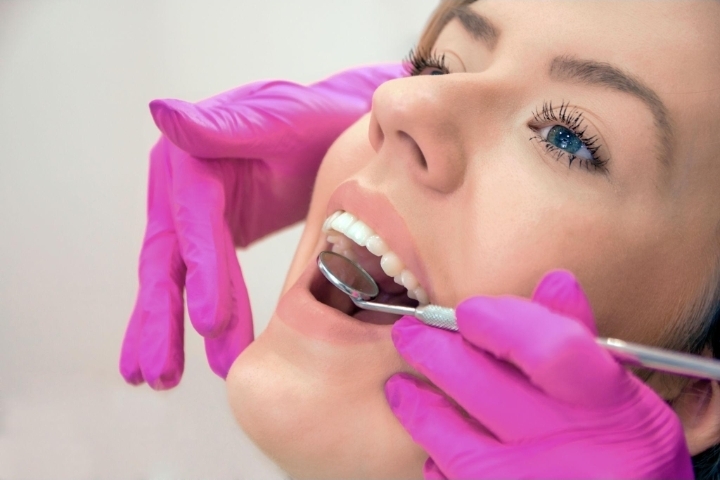
Finishing cancer treatment is an important milestone, but oral health should continue to receive attention.
Some oral effects may improve after treatment, while others can persist depending on the therapy received. Regular dental examinations can help monitor your teeth and gums, identify problems early and maintain your oral health throughout recovery.
A Gentle Reminder for Breast Cancer PatientsYour oral health may not be the first thing on your mind when going through breast cancer treatment — and that’s understandable.
But your mouth is part of your overall health.If you are preparing to begin cancer treatment, currently receiving treatment, or recovering after treatment, speak with your oncology team and dentist about how best to care for your mouth.
Early communication, preventive dental care and personalised guidance can make a meaningful difference to your comfort and oral wellbeing.
At Akcess Dental Clinic, We Care for More Than Your Smile
At Akcess, “Caring for you and your smile” means recognising that oral health is connected to your overall wellbeing.Our dental team is here to provide professional guidance, preventive care and personalised dental support based on your individual needs.If you are undergoing or preparing for cancer treatment and would like to discuss your oral health, speak with our dental team before scheduling any dental procedure.Your health journey matters. Your smile matters. And your oral health deserves care too.
Akcess Dental ClinicNorth Legon | Oyarifa | Ho-Bankoe
Caring for you and your smile.
NB: This article is for educational purposes and does not replace advice from your oncologist, physician or dentist. Dental treatment during cancer therapy should be planned according to the patient’s individual medical condition and treatment plan.