

Most people treat bleeding gums as a minor inconvenience — a bit of pink in the sink after brushing, nothing to worry about.
And bad breath? Often blamed on garlic or a morning routine. But in both cases, your mouth is often telling you something more important than you’re giving it credit for.
These two symptoms — bleeding gums and persistent bad breath — are among the most common early signs of dental and gum disease in Ghana. The good news is that, if caught early, both are highly treatable. The complication is that most people wait until symptoms become severe before visiting a dentist.
Why Your Gums Are Bleeding
Gum bleeding during brushing or flossing is not normal — it’s a sign of inflammation. The most common cause is gingivitis, the earliest stage of gum disease, which develops when plaque builds up along the gumline and triggers an immune response.
The gums become inflamed, tender, and prone to bleeding.
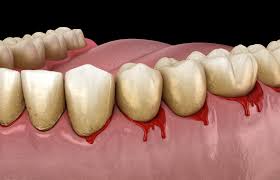
Gingivitis is reversible with professional cleaning and improved oral hygiene. If it’s not addressed, however, it can progress to periodontitis — a more serious infection that damages the bone and tissue supporting your teeth and can eventually lead to tooth loss.
Other causes of bleeding gums include:
- brushing too aggressively
- starting a new flossing routine (temporary)
- vitamin K or C deficiency
- blood-thinning medications
- pregnancy
Bleeding Gums During Pregnancy: Why It Happens and What to Do
Pregnancy causes hormonal changes that increase blood flow to the gums and make them more sensitive to plaque. This is so common it has its own name: pregnancy gingivitis.
It typically appears in the second trimester and can cause swelling, tenderness, and noticeable bleeding during brushing.
Pregnancy gingivitis is manageable, but it requires attention. Untreated gum disease during pregnancy has been associated with preterm birth and low birth weight — making dental care during pregnancy a genuine maternal health issue, not just a cosmetic one.
If you’re pregnant and experiencing gum bleeding, a dental visit to Akcess Dental is safe and recommended. Our team is experienced in providing appropriate, gentle care for expectant mothers.
What’s Really Behind Persistent Bad Breath
Occasional bad breath — after coffee, a meal heavy in onions, or upon waking — is normal. Persistent bad breath that doesn’t respond to brushing and mouthwash is a different matter entirely.
The most common dental causes include:
- Untreated cavities where bacteria accumulate
- Gum disease, particularly where deep pockets form between teeth and gums
- A coating on the tongue that harbours bacteria
- Dry mouth, which reduces saliva’s natural cleansing action
- Partially erupted wisdom teeth where food becomes trapped.
Persistent bad breath can also originate from outside the mouth — sinus infections, acid reflux, and certain systemic conditions can all produce it.
But in most cases, a thorough dental examination will identify or rule out an oral cause, and treatment at Akcess Dental will address it directly.
The Deep Cleaning Connection
Both bleeding gums and bad breath from gum disease often require more than regular brushing to resolve.
A professional procedure called scaling and root planing — sometimes called deep cleaning — removes plaque and tartar from below the gumline where brushing cannot reach.
Deep cleaning is performed by a dental hygienist or dentist and is the standard first-line treatment for early to moderate gum disease.
It is not painful and significantly reduces inflammation, bleeding, and the bacterial load that causes bad breath. Many patients notice a dramatic difference within days of the procedure.
How Often Should You Have Your Teeth Cleaned Professionally?
For most adults, professional cleaning twice a year is sufficient.
If you have a history of gum disease, smoke, or have other risk factors, your dentist may recommend cleaning every three to four months until the situation is under control.

The key is not to wait until symptoms become serious. If your gums bleed when you brush, or if you’ve noticed persistent bad breath that brushing doesn’t resolve, that’s the signal to act.
Listen to What Your Mouth Is Telling You
Bleeding gums and bad breath are not things to be embarrassed about — they’re things to be addressed. Akcess Dental provides professional cleaning, gum disease treatment, and comprehensive care for patients across North Legon, Oyarifa, and Ho.
Book a check-up today. Schedule your appointment here, and give your mouth the attention it’s been asking for.