
Losing a tooth — whether from decay, injury, or gum disease — is more than an aesthetic issue.
It affects your ability to chew properly, changes the alignment of surrounding teeth over time, and can lead to jawbone loss in the area of the missing tooth. The longer a gap is left untreated, the more complex the eventual restoration becomes.
For patients in Ghana facing this decision, the two most common tooth replacement options are dental implants and dentures. Both work. Both have real advantages. And both have limitations that matter differently depending on your age, budget, lifestyle, and how many teeth are missing.
This article gives you the honest picture — not to push you toward one option, but to help you have a more informed conversation with your dentist.
What Are Dental Implants?
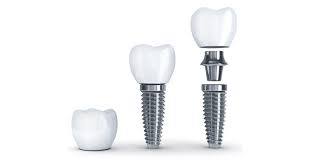
A dental implant is a titanium post that is surgically inserted into the jawbone to replace the root of a missing tooth.
Once the implant fuses with the bone (a process called osseointegration, which takes two to six months), a crown is attached on top. The result looks, feels, and functions like a natural tooth.
Implants are widely considered the gold standard for single tooth replacement. They don’t affect neighbouring teeth, they prevent jawbone deterioration, and they can last a lifetime with proper care.
Akcess Dental’s prosthodontic team provides implant consultations and can advise on whether you’re a suitable candidate.
What Are Dentures?
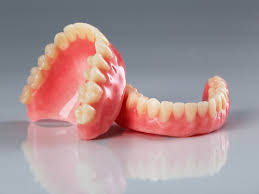
Dentures are removable prosthetic teeth — full dentures replace all teeth in an arch (upper or lower), while partial dentures replace several missing teeth. They sit on the gum and are held in place by suction, metal clasps, or dental adhesive.
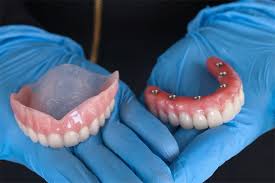
Dentures have been the primary tooth replacement option in Ghana for decades and remain widely used — particularly for older patients and those replacing multiple teeth.
Modern dentures are considerably more natural-looking and comfortable than older generations, and they remain an accessible, non-surgical option.
The Key Differences to Consider
Permanence: Implants are fixed and permanent. Dentures are removable and need to be taken out for cleaning. For many patients, this alone is a deciding factor.
Cost
Implants cost significantly more than dentures, both for the procedure and the materials. However, implants are a one-time investment for most patients, while dentures typically need replacement every five to ten years.
Surgery
Implants require a surgical procedure and a healing period. Dentures require no surgery and can often be fitted relatively quickly after extractions.
Bone preservation
Implants stimulate the jawbone the same way natural tooth roots do, preventing the bone loss that occurs after tooth loss. Dentures do not provide this benefit, and over time, the jawbone under a denture can resorb, changing the fit and appearance of the denture.
Comfort and function: Most patients find implants more comfortable for chewing and speaking. Dentures, particularly full dentures, take adjustment and can feel loose, especially as the jawbone changes over time.
Who Is the Right Candidate for Each?
Implants are generally recommended for patients who: are missing one or a few teeth, have adequate jawbone density to support the implant, are in good general health, and can commit to the healing period.
Patients with uncontrolled diabetes or those who smoke heavily may face complications with implants and should discuss this candidly with their dentist.
Dentures are often the better fit for patients who: are missing most or all of their teeth, prefer or require a non-surgical option, are working within a tighter budget, or are older patients where extensive surgery is less advisable.
Can You Have Both?
Yes — implant-supported dentures combine both technologies.
A small number of implants are placed to anchor a full denture, providing the stability and comfort closer to natural teeth while still offering cost savings compared to replacing every tooth with an individual implant.
This is an increasingly popular option for patients replacing a full arch.
The Most Important Step: A Proper Consultation
No article can make this decision for you — only an X-ray, clinical examination, and conversation with a dentist who understands your full picture can do that.
The right answer depends on your specific bone density, budget, health history, and preferences.
Book a consultation at Akcess Dental — available at our North Legon, Oyarifa, and Ho branches. Our prosthodontic team will walk you through your options honestly and without pressure. Schedule your visit today.